Blog
Transforming a house into a home requires more than simply filling rooms with furniture. Home decoration is the thoughtful practice of combining design principles, personal taste, and functional needs to create spaces that nurture, inspire, and reflect who you are. Whether you’re furnishing your first apartment or refreshing a long-loved family room, understanding the foundational concepts behind successful interior design empowers you to make confident decisions that stand the test of time.
This comprehensive resource walks you through the essential elements that shape beautiful, livable interiors. From mastering color theory and spatial balance to selecting furniture that serves both form and function, you’ll gain the knowledge to approach any decorating challenge with clarity and creativity. Let’s explore how thoughtful design choices can transform every corner of your living environment.
Understanding Core Design Principles
Every successful room begins with fundamental design principles that create visual harmony and comfort. These concepts serve as the invisible framework supporting your decorating decisions, ensuring spaces feel intentional rather than haphazard.
Balance and Proportion
Visual balance determines how weight is distributed across a room. Symmetrical balance—placing identical elements on either side of a central axis—creates formal, calming spaces perfect for traditional living rooms or bedrooms. Asymmetrical balance achieves equilibrium through varied objects of similar visual weight, offering a more relaxed, dynamic feel. Consider a large sofa on one side balanced by two accent chairs and a floor lamp on the other.
Proportion relates objects to each other and to the room itself. A massive sectional overwhelms a small apartment, while delicate furniture disappears in a spacious great room. The golden ratio—roughly 60-30-10—applies brilliantly to furnishing: 60% dominant pieces, 30% secondary items, and 10% accent objects create naturally pleasing arrangements.
Color Theory in Practice
Color profoundly influences mood and perception. Warm hues like terracotta, golden yellow, and rust create cozy, intimate atmospheres ideal for gathering spaces. Cool tones—soft blues, sage greens, and lavenders—promote tranquility in bedrooms and bathrooms. Neutrals provide versatile foundations that adapt as your style evolves.
The 60-30-10 rule applies equally to color distribution: choose a dominant color for 60% of the room (typically walls), a secondary color for 30% (upholstery, curtains), and an accent color for the remaining 10% (pillows, artwork, decorative objects). This formula prevents visual chaos while maintaining interest. Remember that paint appears lighter on walls than on small samples, so test patches in different lighting conditions before committing.
Texture and Layering
Rooms relying solely on visual color feel flat and uninviting. Textural variety—the interplay of smooth glass, nubby linen, polished wood, and soft wool—adds depth and sophistication. Layer a silk throw over a leather chair, place a chunky knit blanket across smooth cotton bedding, or position a rough jute rug beneath a sleek glass coffee table.
Successful layering extends beyond textiles. Combine matte and glossy finishes, hard and soft surfaces, organic and geometric patterns. A room featuring varied textures engages multiple senses, creating richness that monochromatic or single-texture spaces cannot achieve.
Creating Functional and Beautiful Spaces
Beauty without function frustrates daily living, while pure practicality often feels sterile. The most successful interiors marry aesthetic appeal with genuine usability, supporting your actual lifestyle rather than an idealized version of it.
Room Layout Fundamentals
Furniture arrangement dramatically impacts how spaces feel and function. Begin by identifying the room’s focal point—a fireplace, large window, entertainment center, or architectural feature—then arrange seating to acknowledge this anchor. In living rooms, position furniture to facilitate conversation: seating pieces should sit close enough for comfortable discussion, typically within eight to ten feet of each other.
Maintain clear traffic paths at least 30 inches wide, more in high-traffic areas. Avoid forcing people to walk between conversing guests or around awkward obstacles. Float furniture away from walls in larger rooms to create intimate groupings rather than pushing everything to the perimeter, which paradoxically makes spaces feel smaller and less inviting.
Furniture Selection Strategies
Choosing furniture involves balancing immediate needs with long-term flexibility. Invest in quality pieces for high-use items—sofas, dining tables, mattresses—where durability and comfort matter most. These foundational elements should reflect relatively timeless styles that won’t feel dated in five years.
Reserve trend-driven choices for easily updated accessories: throw pillows, artwork, lighting fixtures, and decorative objects allow you to refresh your look without major financial commitment. When space is limited, select multipurpose furniture: ottomans with storage, extendable dining tables, sofa beds for guest rooms, or nesting tables that adapt to various needs.
How Does Personal Style Emerge in Home Decor?
Your home should tell your story, not replicate showroom perfection. Personal style develops through understanding what genuinely resonates with you rather than following prescribed trends. Start by collecting images of rooms that attract you—don’t analyze why initially, just gather. Patterns will emerge: perhaps you’re drawn to clean lines and minimal ornament, or maybe you gravitate toward layered, eclectic spaces filled with collections and color.
Consider your lifestyle honestly. A pristine white sofa may be stunning, but is it practical with young children or pets? Do you entertain frequently, requiring flexible seating arrangements? Do you work from home, necessitating dedicated office space? Successful personal style honors both aesthetic preferences and real-life requirements.
Incorporate meaningful objects—inherited pieces, travel souvenirs, handmade items—that carry emotional resonance. These personal touchstones prevent spaces from feeling generic or staged. A vintage clock from your grandmother holds more significance than a mass-produced accessory, anchoring your design in authentic narrative.
Budget-Conscious Decorating Approaches
Beautiful homes don’t require unlimited budgets; they demand creativity, patience, and strategic prioritization. Focus spending on items you’ll use daily and that significantly impact the overall aesthetic. A quality sofa used for hours daily justifies investment more than a decorative vase.
Explore these cost-effective strategies to maximize your decorating budget:
- Paint power: Fresh wall color transforms spaces dramatically for minimal cost, offering the biggest visual impact per dollar spent
- Secondhand treasures: Vintage and consignment shops, estate sales, and online marketplaces yield unique pieces at fraction-of-retail prices
- DIY projects: Simple updates like reupholstering chair cushions, refinishing furniture, or creating artwork provide custom results while building skills
- Strategic splurges: Invest in one statement piece per room—a striking light fixture, bold rug, or distinctive chair—then build around it with budget-friendly supporting elements
- Phased approach: Room perfection doesn’t happen overnight; prioritize essential pieces and add layers gradually as budget allows
Remember that expensive doesn’t always mean better. A well-chosen affordable item that perfectly suits your space outperforms a costly piece that never quite fits.
Adapting Your Space Through the Seasons
Seasonal decorating keeps homes feeling fresh and connected to the natural rhythm of the year without requiring complete overhauls. Simple textural and color shifts acknowledge changing weather while maintaining your core aesthetic.
As temperatures warm, lighten spaces by swapping heavy velvet pillows for linen or cotton, replacing wool throws with lightweight blankets, and introducing fresh flowers or botanical prints. Cool color accents—aqua, soft green, crisp white—create psychological freshness. In autumn and winter, reverse the process: layer warmer textiles, introduce richer colors like burgundy and forest green, and add ambient lighting through candles and lamps to counter shorter daylight hours.
Seasonal updates need not be expensive or storage-intensive. A few versatile pillow covers, a couple of lightweight throws, and strategic accessory swaps—a wooden bowl filled with pinecones in winter, fresh lemons in summer—maintain visual interest throughout the year. Focus on textural warmth in cold months and visual lightness in warm seasons rather than literal holiday themes, creating sophisticated seasonal acknowledgment.
Your home is your most personal canvas, continuously evolving alongside your life, needs, and tastes. By grounding decorating decisions in solid design principles while honoring your authentic style and practical requirements, you create spaces that nurture daily living. Whether you’re tackling a single room refresh or planning a whole-home transformation, trust the process, enjoy the journey, and remember that the best-decorated homes are those that genuinely feel like yours.
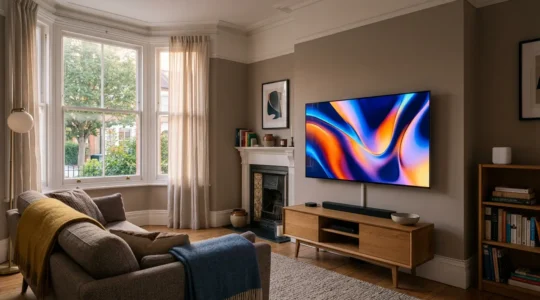
How to Get True 4K HDR Playback Without Buffering on UK Evening Broadband?
In summary: Your home network’s internal weaknesses (cables, Wi-Fi, router settings) are often a bigger bottleneck than your external broadband speed. Mismatched HDR formats (e.g., HDR10 content on a Dolby Vision TV) and incorrect HDMI port settings are a primary…
Lire la suite