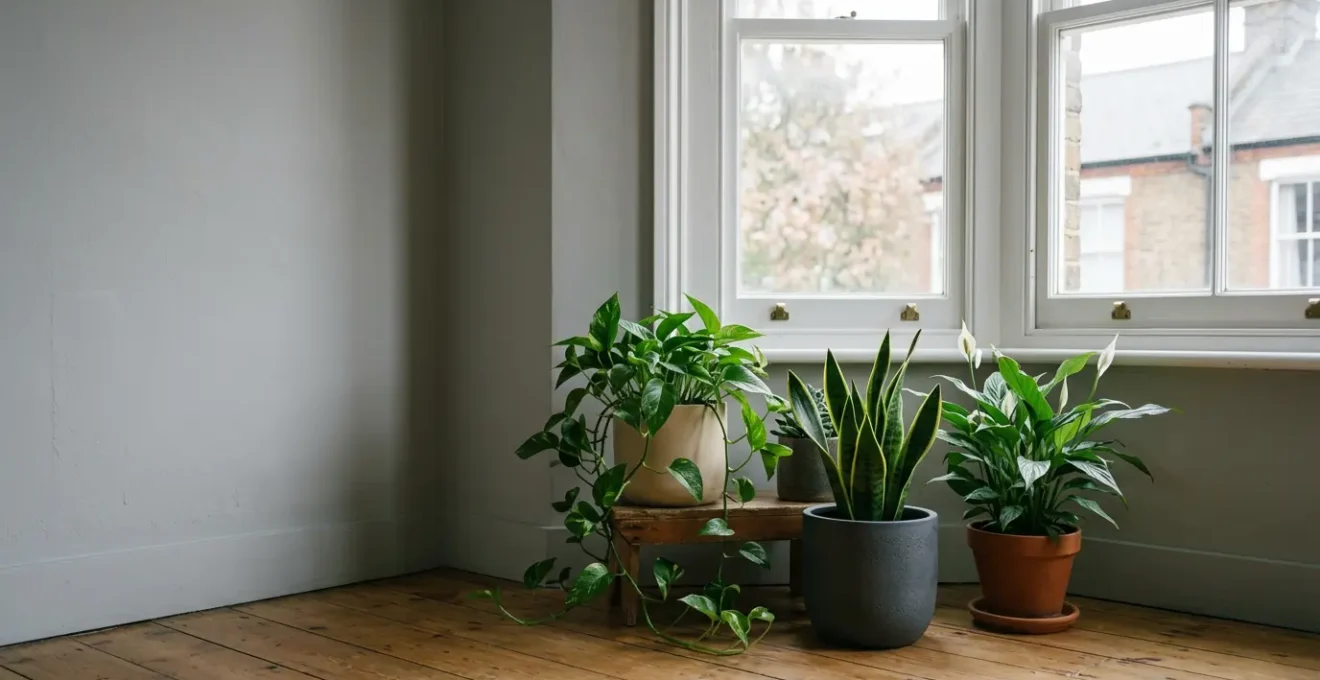
The persistent failure of houseplants in urban flats isn’t a personal failing, but a misunderstanding of the home’s unique micro-environment.
- Success depends more on managing factors like London’s hard water chemistry and low seasonal light than on having a « green thumb. »
- Creating dense, textured plant arrangements and engaging in mindful care rituals provides measurable wellbeing benefits.
Recommendation: Shift your mindset from « plant owner » to « micro-environment manager » by applying simple scientific principles to create a thriving indoor ecosystem.
The familiar sight of a withered, yellowing leaf on a once-vibrant houseplant is a source of quiet frustration for many city dwellers. You followed the basic advice: you bought a « low-light » plant, you tried not to overwater, and yet your London flat feels like a place where green things come to die. It’s easy to conclude you simply don’t have a « green thumb. » You might see others with lush indoor jungles and wonder what secret they possess. The common solutions—buy a different plant, try a self-watering pot—often lead to the same disappointing outcome.
But what if the problem isn’t you, but your approach? What if the key isn’t about luck or innate talent, but about understanding the specific, scientific challenges of your urban micro-environment? The reality is that a north-facing London flat presents a unique set of variables: the quality of the light, the very chemistry of your tap water, and the dry, centrally-heated air. These are the factors that silently sabotage your efforts. This guide shifts the perspective from simple plant care to holistic « horticultural therapy. » We will explore how to become the manager of your home’s ecosystem, transforming it into a space that not only sustains plant life but measurably enhances your own wellbeing.
This article will provide a structured approach, moving from diagnosing the invisible problems in your environment to implementing strategic, science-backed solutions. By understanding the ‘why’ behind common plant failures, you will gain the confidence to create a resilient and beautiful indoor garden. We will explore specific techniques, design principles, and simple rituals that turn plant care from a chore into a rewarding practice of mindfulness and connection with nature.
Summary: A Science-Backed Guide to a Thriving Indoor London Garden
- Why Does Your Spider Plant Thrive While Your Peace Lily Keeps Dying?
- How to Create a Green Wall That Needs Only 10 Minutes of Care per Week?
- Real Fern or Premium Faux: Which Actually Improves Wellbeing in Windowless Rooms?
- The Overwatering Error That Invites Fungus Gnats Into 60% of UK Homes
- When Should You Move Your Monstera to Catch Winter Sunlight in Britain?
- Why Does Your Friend’s Tiny Courtyard Feel More Calming Than Your Large Lawn?
- The Buddleia Trap That Spreads Uncontrollably Into Neighbouring UK Gardens
- How to Design a Garden That Reduces Stress Measurably in Just 15 Minutes a Day?
Why Does Your Spider Plant Thrive While Your Peace Lily Keeps Dying?
The answer often lies not in your watering schedule, but in the invisible chemistry of your tap water. If a resilient spider plant survives while a more sensitive peace lily fails, it’s a clue. Your home has a unique micro-environment, and in cities like London, one of the biggest factors is hard water. According to London horticultural suppliers, the high mineral content, particularly calcium and magnesium carbonates, can be detrimental. These minerals build up in the soil over time, changing its structure and, most critically, its pH level. The Royal Horticultural Society confirms this, stating, « The minerals found in mains water, especially in hard water areas, can raise the pH of soil and affect nutrient availability. »
This subtle shift can « lock » essential nutrients in the soil, making them inaccessible to the plant’s roots, even if they are present. A tough, adaptable plant like a spider plant (Chlorophytum comosum) can tolerate a wider range of soil conditions. However, a plant like a peace lily (Spathiphyllum) or a calathea, which originates from environments with acidic, low-mineral soil, will slowly starve. It will show signs of nutrient deficiency—yellowing leaves, stunted growth—that are often misdiagnosed as a watering issue. The solution is to think like a chemist: use filtered or rainwater, or let tap water sit for 24 hours to allow some chlorine to evaporate before use. This simple change addresses the root cause, not just the symptoms.
How to Create a Green Wall That Needs Only 10 Minutes of Care per Week?
For the urban dweller short on space and time, a vertical green wall seems like an ambitious dream. However, the principle can be adapted to create a dense, low-maintenance plant cluster that delivers the same powerful wellbeing benefits. The goal is to maximize visual impact and create a concentrated dose of nature. The key is selecting the right plants: trailing species like Golden Pothos (Epipremnum aureum) and Philodendrons are perfect. They are forgiving of lower light and create a lush, cascading effect with minimal intervention. By grouping 3-5 of these plants together on a shelf or in hanging planters, you create a « wall » of green.
The secret to the 10-minute care routine is efficiency. Grouping plants with similar needs means you can water them all at once. The close proximity also creates a small pocket of higher humidity, which benefits all the plants. This dense arrangement is not just aesthetic; it’s a therapeutic tool. In fact, research published in PMC demonstrates that « visual contact with plants and adding plants to indoor environments shows substantiated positive effects on health and well-being. » Your weekly 10 minutes become a mindful ritual: checking the soil, wiping a few leaves, and trimming any yellowing foliage. This small investment of time yields a significant return in stress reduction and visual delight.

As this dense arrangement shows, the goal is to create an immersive field of green. This visual density is what triggers the positive biophilic response in our brains, making a small corner of your flat feel like a genuine natural refuge.
Real Fern or Premium Faux: Which Actually Improves Wellbeing in Windowless Rooms?
In a truly light-starved space like a windowless bathroom or a dark hallway, the question arises: is a high-quality artificial plant better than no plant at all? From a horticultural therapy perspective, the answer is a nuanced yes. Our brains are wired for biophilia—the innate tendency to connect with nature. This connection is deeply rooted in visual cues. As researchers on the subject of biophilia note, « The human brain responds positively to natural patterns and fractals. The notion that part of the effect is mediated through visual contact with plants appears to be substantiated. »
A premium faux plant, one that accurately mimics the complex, fractal patterns of a real fern’s fronds or a Ficus’s leaf venation, can tap into this neurological response. It provides the visual signal of nature, which can be enough to soften a sterile environment and reduce stress. The positive impact of these environments is tangible; one study showed that biophilic environments can improve short-term memory by up to 14 percent. However, a real plant, even a simple one, offers something more: life. It changes, grows, and requires interaction, deepening the connection. The verdict? In a room with zero light, a premium faux plant is a valid therapeutic tool. But wherever even a sliver of light exists, a living plant will always offer a richer, more dynamic wellbeing benefit.
The Overwatering Error That Invites Fungus Gnats Into 60% of UK Homes
Overwatering is the single most common mistake in houseplant care, and its consequences go beyond a simple waterlogged root system. It creates the perfect breeding ground for fungus gnats (Bradysia species), those tiny, annoying black flies that suddenly appear around your plants and monitors. They aren’t just a nuisance; they are a clear symptom of a flawed watering practice. Their larvae thrive in the top few inches of consistently damp, organic-rich soil. By keeping the soil surface wet, you are essentially rolling out a welcome mat for infestation.
The problem is especially acute in the UK. As UK garden research indicates, winter is the worst season for fungus gnat infestations. Centrally heated homes maintain temperatures ideal for breeding (18-22°C), while shorter days and lower light mean plants drastically reduce their water uptake. You may be watering with the same frequency as in summer, but the plant is using far less, leading to perpetually soggy soil. To break this cycle, you must allow the top 2-3cm of compost to dry out completely between waterings. Adopting a « bottom-watering » technique is the most effective preventative strategy, as it hydrates the roots without soaking the topsoil where gnats lay their eggs.
Action Plan: Eradicating Fungus Gnats with Bottom-Watering
- Prepare the Bath: Fill a tray, sink, or basin with a few inches of room-temperature water. Place the potted plant directly in it, ensuring the water level is below the pot’s rim.
- Allow Absorption: Let the plant sit for 10-15 minutes. The soil will draw water up through the drainage holes via capillary action until the top surface feels slightly moist to the touch.
- Drain Completely: Remove the pot from the water and place it on a draining rack or back in the empty sink. Allow any and all excess water to drain away for at least 5-10 minutes. This step is crucial.
- Create a Barrier: Apply a 1-inch layer of horticultural grit, coarse sand, or decorative stones to the soil surface. This dry topper creates a physical barrier that prevents adult gnats from laying their eggs in the moist soil beneath.
- Monitor and Repeat: Do not water again until the top 2-3cm of the compost feels completely dry when you insert your finger. This disciplined approach is the key to breaking the gnat life cycle.
When Should You Move Your Monstera to Catch Winter Sunlight in Britain?
In the UK, light isn’t just a resource; it’s a seasonal budget. What is a bright spot in July can become a dim corner by November. For large-leafed plants like the popular Monstera deliciosa, which need significant light to maintain their iconic split leaves, strategic repositioning is not optional—it’s essential for survival. Failing to adjust their location to follow the changing light is a primary cause of winter decline, leading to yellowing leaves, leggy growth, and a general lack of vigour. The plant isn’t dying; its energy budget has been slashed.
Managing this « light budget » requires proactive seasonal adjustments. As the sun’s arc lowers in the sky during the British autumn and winter, the light that does enter a north-facing window is weaker and present for fewer hours. Your Monstera needs to be moved to the absolute brightest spot you have—often a location that would be too intense during the summer months. This might mean moving it directly in front of the window, even if it’s not its permanent « aesthetic » home. Think of it as a patient moving to a recovery room with the best resources. This isn’t just a vague suggestion; it’s a schedule dictated by the sun.
A structured approach ensures your plants get what they need, when they need it:
- October: As daylight hours drop towards 10-11 per day, begin transitioning your plants. Move them from their summer positions to the brightest possible spots they will occupy for the winter. Growth will slow dramatically.
- November-February: This is the period of dormancy. With daylight at a low of 8-9 hours, plants should remain in their maximum-light locations. Resist the urge to fertilize and reduce watering frequency.
- March: As daylight increases to 12+ hours and you see the first signs of new growth, you can begin the gradual process of repositioning plants away from the most intense light.
- April Onwards: With the spring sun strengthening, return plants to their preferred spots to avoid the risk of leaf scorch from a sudden increase in direct exposure.
Why Does Your Friend’s Tiny Courtyard Feel More Calming Than Your Large Lawn?
The calming effect of a green space has less to do with its size and more to do with its design psychology. A large, open lawn can feel exposed, while a small, densely planted courtyard taps into a primal human preference known as the « prospect-refuge » theory. This theory suggests we feel safest and most relaxed in environments where we have a clear view (prospect) from a protected, enclosed space (refuge). A tiny courtyard, or a well-designed corner of a room, can create this feeling of a safe, green enclosure far more effectively than an open-plan space with a few scattered plants.
You can replicate this effect inside your flat. Instead of dotting plants around the room, group them together to create a defined « green zone. » The goal is to create sensory density and enclosure. Use a mix of plant heights, leaf shapes, and textures to build a miniature sanctuary. A tall snake plant can form a « back wall, » while feathery ferns and broad-leafed Monsteras create the « canopy » and mid-layer. This curated cluster becomes more than a collection of individual objects; it becomes a single, immersive feature that draws the eye and calms the mind. This aligns with research on our innate connection to nature, which finds that « a variety of textures, shapes, and sizes feels more engaging and natural. »
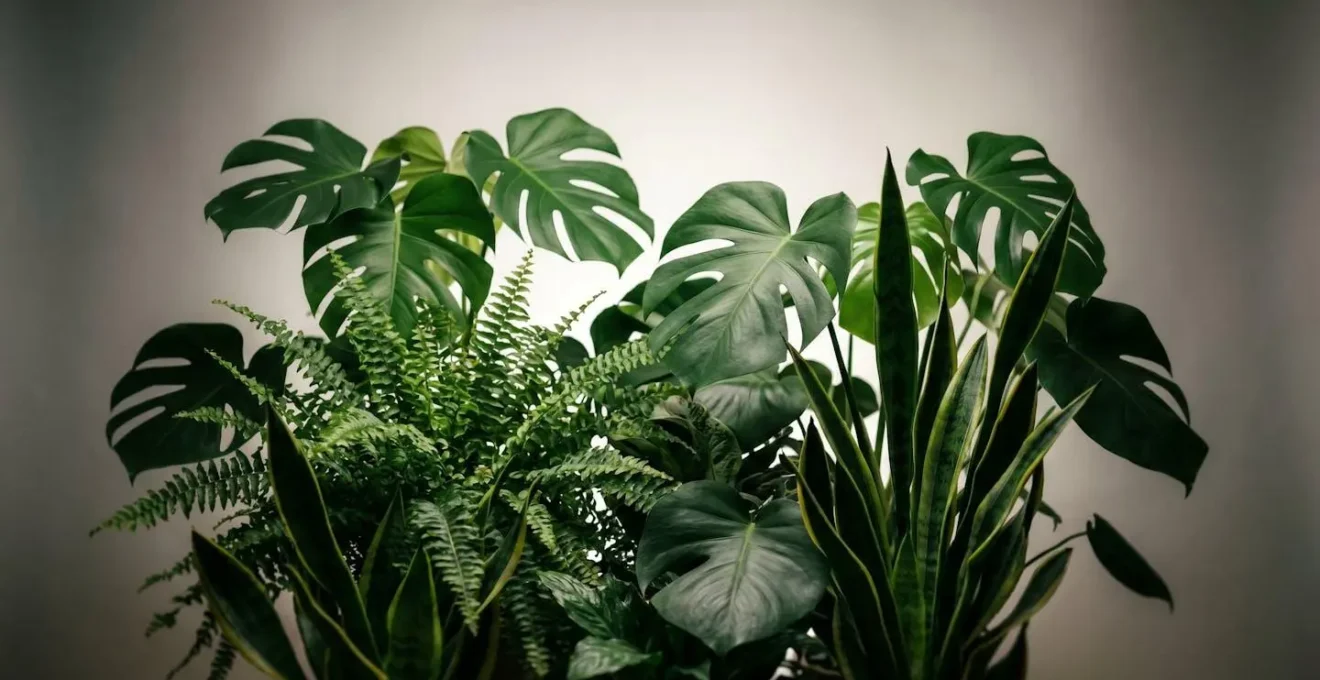
This deliberate grouping transforms plants from mere decoration into architectural elements. It creates a focal point of refuge within your living space, a corner of the world that feels protected, private, and deeply calming.
The Buddleia Trap That Spreads Uncontrollably Into Neighbouring UK Gardens
The Buddleia, or « Butterfly Bush, » is a classic example of the right plant in the wrong place. While beautiful and attractive to pollinators, its aggressive, self-seeding nature can make it a menace in a small, controlled UK garden, quickly becoming an invasive nuisance. This serves as a powerful analogy for indoor gardening: the « Buddleia Trap » is choosing a plant that is fundamentally mismatched to your home’s environment, creating a constant battle and maintenance burden. A beautiful, sun-loving tropical hibiscus in a dim, north-facing flat is an indoor Buddleia—a recipe for failure.
The antidote to this trap is the core principle of sustainable gardening: « Right Plant, Right Place. » This isn’t about finding the « easiest » plants; it’s about making the most strategic choices. Before you buy, you must honestly assess your environment’s limitations—the low light, the dry air, your own availability for care—and select plants that thrive within those exact constraints. This is the central philosophy championed by organisations like the Royal Horticultural Society.
Case Study: The Royal Horticultural Society’s « Right Plant, Right Place » Principle
The Royal Horticultural Society’s sustainable gardening ethos directly applies here. Just as they advise gardeners to choose drought-tolerant species like lavender for a dry, sunny border instead of fighting to keep water-hungry plants alive, the same logic applies indoors. For a low-light, low-maintenance London flat, this means embracing the inherent strengths of species like the ZZ plant (Zamioculcas zamiifolia) or the snake plant (Dracaena trifasciata). These plants are evolutionarily adapted to conditions of low water and indirect light. Choosing them isn’t a compromise; it’s a strategic decision to work with nature, not against it, creating a beautiful and, crucially, low-stress indoor garden.
By consciously avoiding the « Buddleia Trap, » you transform plant care from a source of frustration into a source of satisfaction, celebrating the resilience of the plants you have chosen because they are perfectly suited to their home.
Key Takeaways
- Your success with houseplants depends less on a ‘green thumb’ and more on understanding your specific environment, especially factors like water chemistry.
- Light in the UK is a seasonal budget that must be actively managed by moving plants to track the available sun throughout the year.
- A successful indoor garden is a designed ecosystem; grouping plants creates a ‘refuge’ that has a more powerful calming effect than scattered individual plants.
How to Design a Garden That Reduces Stress Measurably in Just 15 Minutes a Day?
The most significant wellbeing benefits from an indoor garden come not from its passive existence, but from active, mindful engagement with it. Designing a garden that reduces stress is about designing a routine. You can have the most beautiful plants, perfectly suited to their environment, but if you don’t interact with them, you are missing out on the core therapeutic benefit. The goal is to create a simple, repeatable ritual that connects you to your green space daily, transforming maintenance from a chore into a practice of mindfulness.
A 15-minute daily « biophilia ritual » is all it takes to shift this dynamic. This short, structured interaction ensures you catch problems early (like pests or dryness) while forcing you to slow down, observe, and connect. It’s a moment to step away from screens and engage your senses—touching the soil, wiping a leaf, noticing new growth. This is not just a feel-good activity; it’s an evidence-based practice. Multiple studies on biophilic design show evidence of positive benefits including improved productivity, lower stress levels, and enhanced learning from human interaction with nature. This daily ritual is the mechanism that unlocks those benefits.
Here is a simple, structured 15-minute ritual to make your indoor garden a source of daily calm:
- Minutes 1-3: Mindful Observation. Walk to your plant collection. Take three deep breaths. Examine each plant without judgment, simply noticing any changes: a new leaf unfurling, a change in colour, the angle of a stem.
- Minutes 4-7: Tactile Engagement. Gently touch the leaves. Feel their texture. Use your finger to test the moisture of the top inch of soil. Gently wipe any dust from a few large leaves with a damp cloth. Remove any yellow or dead foliage.
- Minutes 8-11: Responsive Care. Based on your check, provide water only to the plants that are truly dry. Rotate each pot by 180 degrees to ensure all sides get some light over time, promoting even growth.
- Minutes 12-15: Stillness and Appreciation. Find a place to sit near your plants. Put down your phone. Simply sit in stillness, allowing your gaze to rest on the visual patterns, the textures, and the overall green environment you have cultivated. Acknowledge the small piece of nature you are stewarding.
By transforming plant care into this deliberate daily practice, you stop being a passive owner and become an active participant in your own wellbeing. Start today by choosing a time for your 15-minute ritual and commit to creating a space that nurtures both your plants and yourself.